Medical Mission to Jordan: After more than a decade of Civil War in Syria, and continuing conflicts like the unprovoked Russian invasion of Ukraine that further displaced millions of civilians, understanding the longterm conditions that war refugees face remains relevant. But as public attention fades, such topics do not capture headlines today, even as the impact continues to be felt here in Milwaukee. mkeind.com/jordanmedicalmission
Medical professionals spend many years learning, growing, and accomplishing work in their field. For those who were not born in the United States, or are from immigrant families, the path to medical school is often an adventure story in itself. In preparing introductions of the Syrian American Medical Society (SAMS) volunteers who were interviewed for the “Medical Mission to Jordan” series, the depth of what each individual has achieved in their career literally requires a separate article to detail. Being chief of a department, or professor, or research leader, or board chair, are all in addition to the root vocation of their dedicated medical care of adults and pediatric patients. In this context, regardless of position or occupation, all the volunteers of the SAMS Medical Mission arrived in Amman with one purpose, to offer crisis relief to refugees affected by the Syrian Civil War. Exploration of medical backgrounds was explained within each interview to the extent necessary by the participant. While each layer of their medical career and position of responsibility were essential to their mission work in Jordan, those detailed descriptions were actually a distraction in being able to share their story. Who they were “in person” was why they were interviewed. Not who they were “on paper,” which was still immensely impressive but simply too much to unpack in this context.
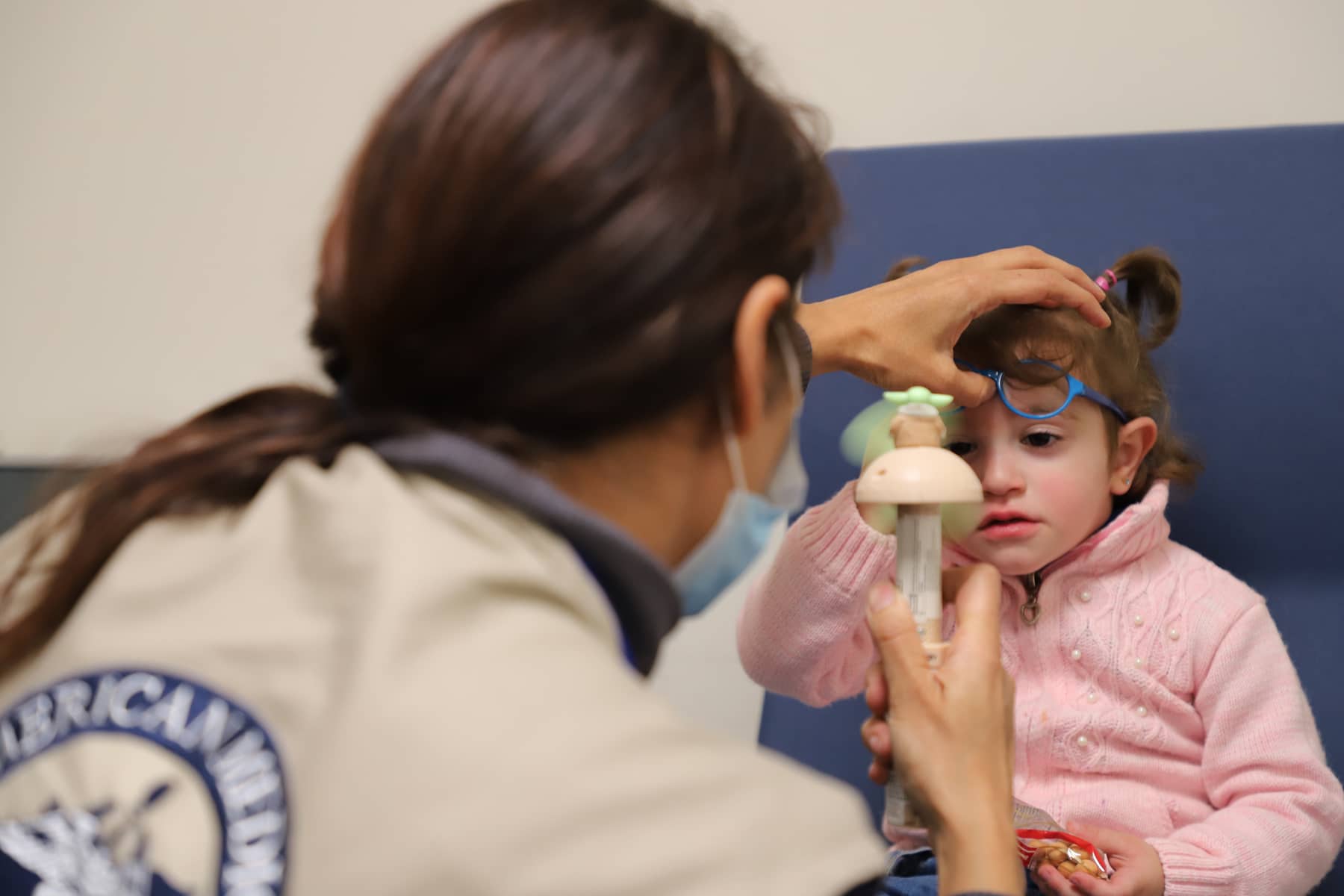
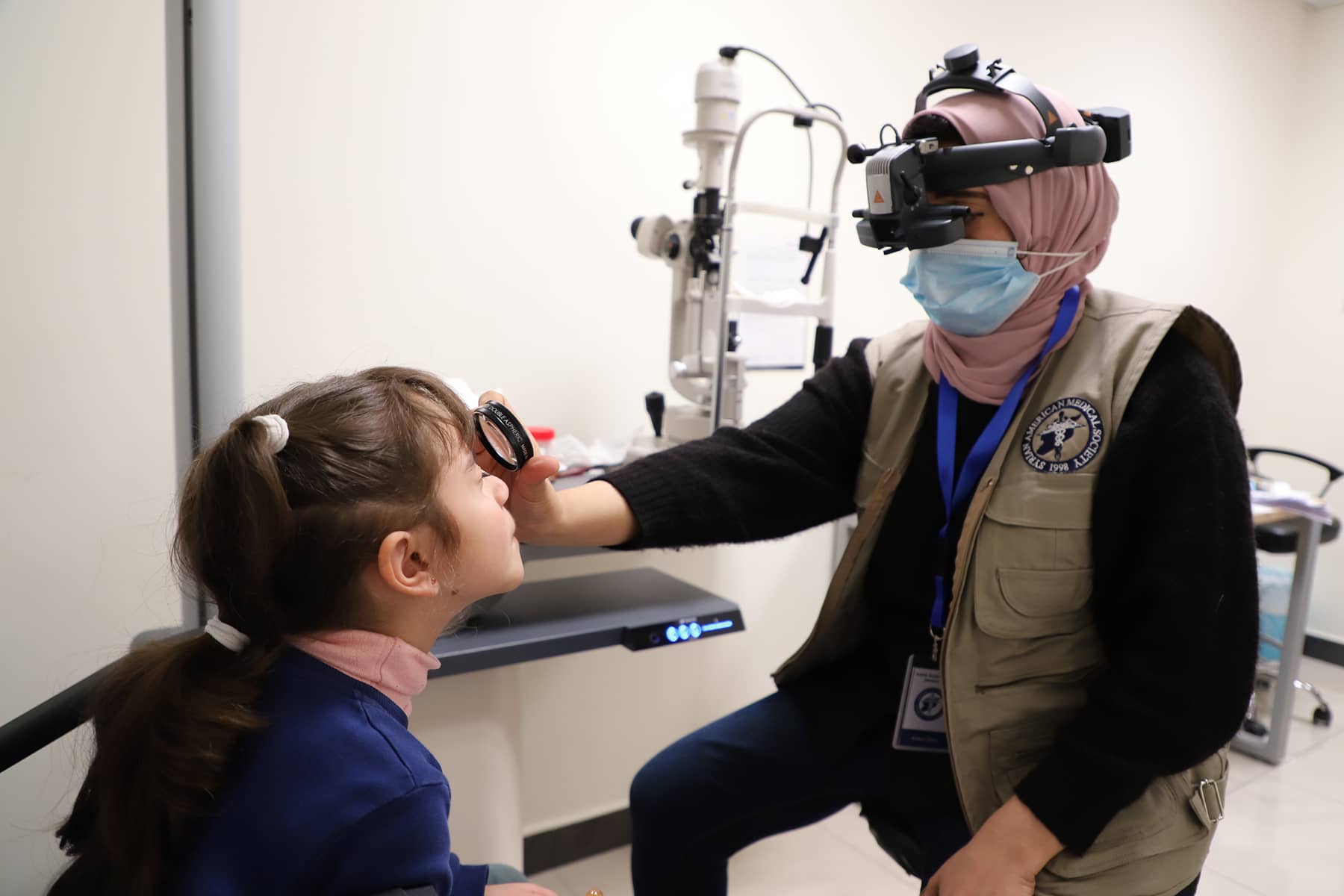
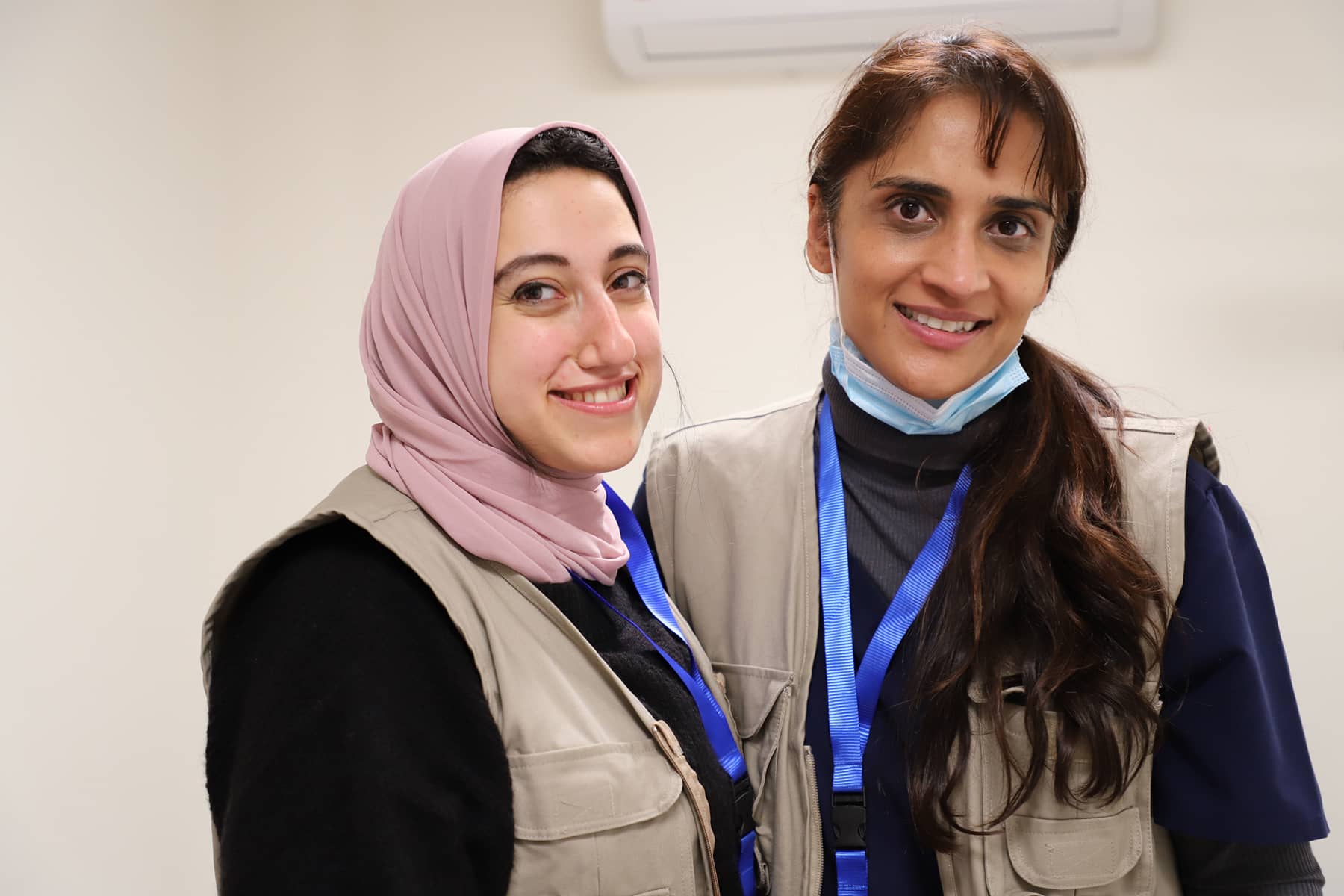
An essay by Dr. Naureen Mirza-George, MD
I first heard about SAMS several years ago when the war in Syria broke out. We all heard of the great work that SAMS was doing. I knew that they were active in several different locations, but more recently learned a Medical Mission was coming to Jordan in January 2023.
I have always wanted to do a mission. SAMS seems like a great organization to join for this, so I jumped on board. I have just been pleasantly surprised at how well organized this mission has gone from the very beginning.
I spoke with Dr. Bassel Atassi, the Mission leader, and he walked me through the process and explained what the Mission wanted to accomplish. I was very nervous about coming by myself. I did not know anyone else who was participating on this mission prior to arriving. I was concerned that I was going to show up, and it was going to be chaotic.
My fear was that the children I would see as a pediatric ophthalmologist would not be screened. And I would just be seeing hundreds of children who did not have any actual pathology, and my time would be not well spent. But when I got here, the patients had been pre-screened. Almost every patient that I saw, I could offer them some intervention that would help.
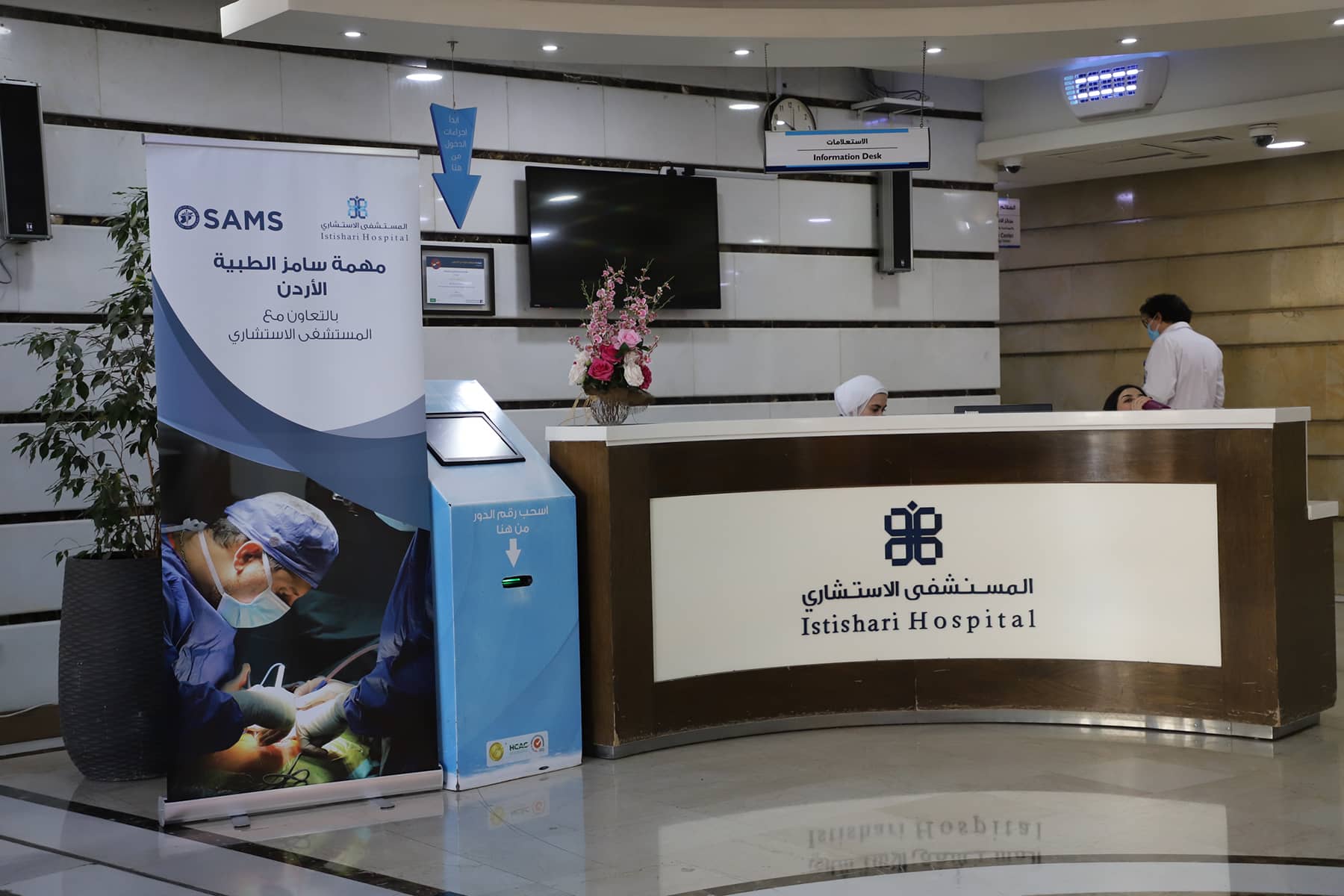
So, the experience has been amazing. The facilities that were setup for us here were also beyond my expectations. I was expecting to have minimal equipment and resources, but we were actually working at a state of the art Medical Hospital, one of the best private hospitals in Amman.
Again, I was so skeptical when they said I did not need to bring anything. But they delivered all the equipment I needed, and more. As for the support staff that I had in the eye hospital, from technicians all the way to my scrub nurse, to the anesthesiologists, I wish I could take some of them back with me to California.
One of the best parts of the experience has been just the people who I have met here. I think beyond all the reward that I have gotten interacting with patients and helping the most vulnerable population of refugees in the world, are the people who I have met. I actually called my family and said the SAMS volunteers, these are my people. They believe in the same things I believe in and want to give back.
And that is what everyone has been doing. They have taken time out of their busy schedules to be here. I have gotten so much out of this mission trip, from the work I have done and the relationships I have made. It has been super rewarding and my patients, these children have been able to benefit so much.
I really hope that other medical professionals, and students, can take the opportunity to join a SAMS mission in the future. I would encourage all my colleagues in ophthalmology and subspecialties to really look into coming on a Medical Mission. It will be the best experience of your life. This is a place where you can come and feel that you have done some good work.
An essay by Dr. Asmaa Zidan, MD
I came from a humble background with no physicians in the family. I wanted to help my family. I wanted to ease their pain whenever possible. Then, I learned about the Doctors Without Border organization and how they were helping Palestinians. It was when I knew that was the work I wanted to do with my life.
I was attending the American Academy of Ophthalmology conference last year, when I got to know Dr. Arif Rifae, the organizer of the ophthalmology mission. Once he mentioned that they were going on a mission to Jordan, I felt like it was what brought me to that conference. It was meant to be for me to participate in the Jordan mission.
I always wanted to volunteer in medical missions to help refugees, but I was also worried that I would not be able to handle people sufferings. I was surprised to learn that I am stronger than I thought. I was able to empathize with patients, and yet separate my personal feelings so I could help them. I also learned that I am so blessed with everything I have.
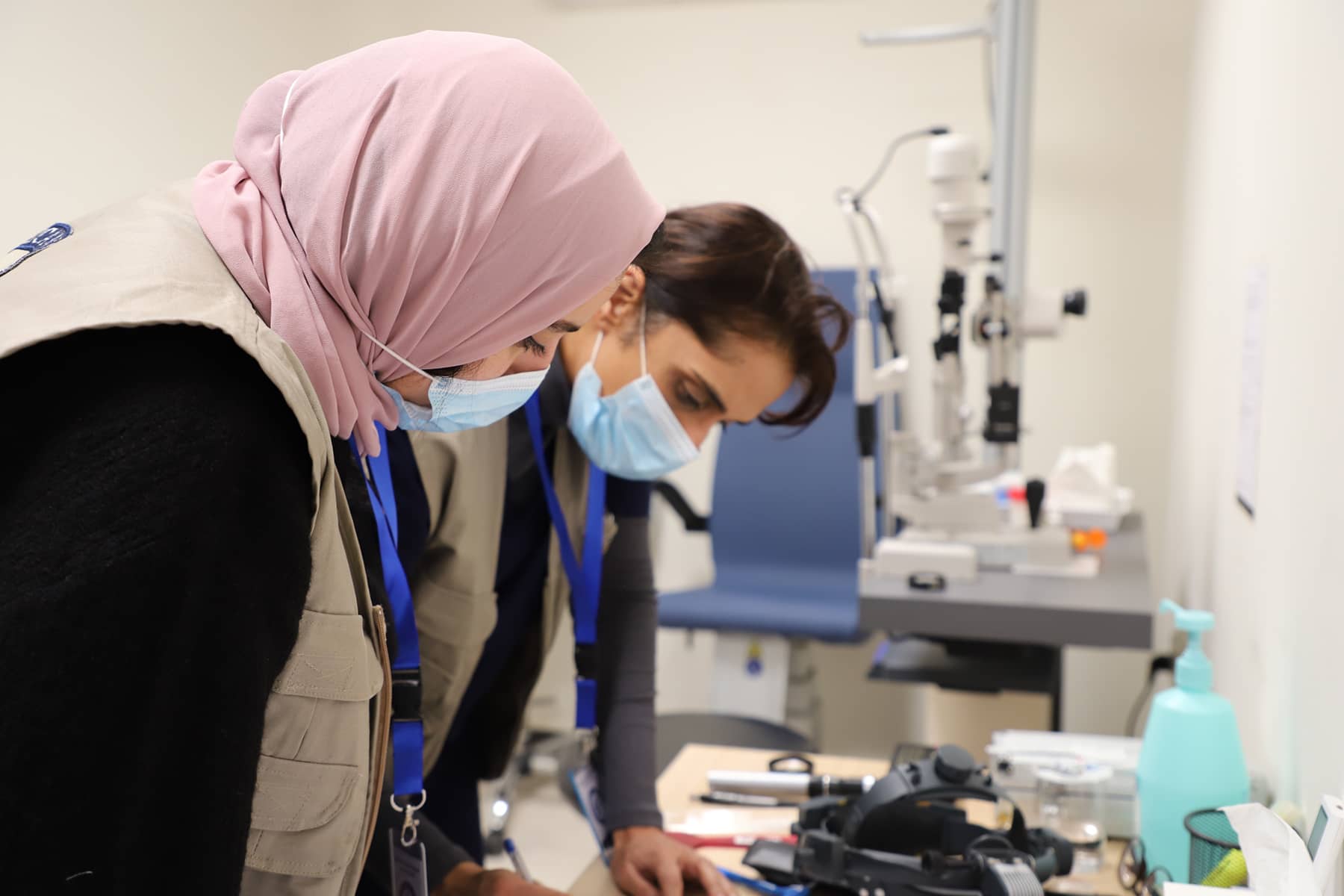
For the SAMS January 2023 Medical Mission to Jordan I worked with Dr. Naureen Mirza-George, the pediatric ophthalmologist, to help her communicate with the patients and their family. I think the hardest part was knowing that so much of what we have access to and take for granted, those resources are like a dream for the Syrian refugees. A child can go blind in an eye without a corrective pair of glasses.
One Syrian grandmother has said something I will never forget. Her grandson, who lost his parents, was exposed to sexual abuse. When I asked about her nationality, she said that such things could only happen to Syrians. Being a vulnerable human being just because you were born in a certain part of the world, is such a sad thing to face.
The hardest thing was knowing we were not able to help everyone. Syrians are strong people. I did not hear a single one of them complain, despite their conditions. However, they needed help and the SAMS Medical missions are their only access to that medical help.
When we were leaving, the parents were asking us to please come back again. One parent wanted to push his kid into the surgery right then. He was worried, what if we did not come back. Nothing can make you feel as helpless as seeing your child suffering without being able to afford help. Feeling that we helped a family experience relieved by the end of the day, that was what kept us going.
I still find hope in the smiles of the kids that do not care about all the sufferings, that want to play and laugh and just be kids. I still find hope in the physicians that left their life, and their practices, behind to come to Jordan and help. I still find hope in the medical students, who sacrificed so much to afford the trip, just to come and help translate or tell a parent that their child will be fine. I believe there is still good left in the world.
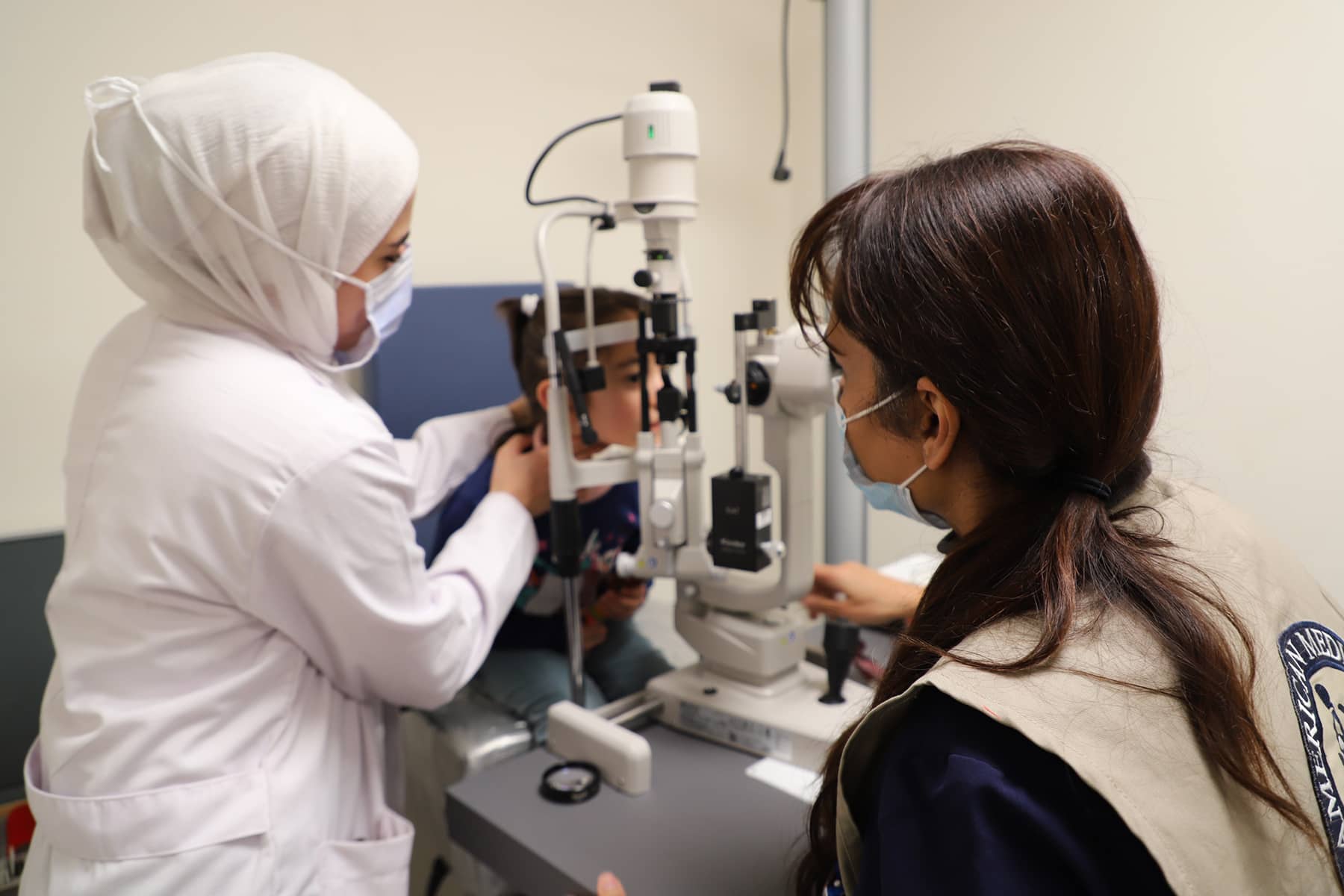
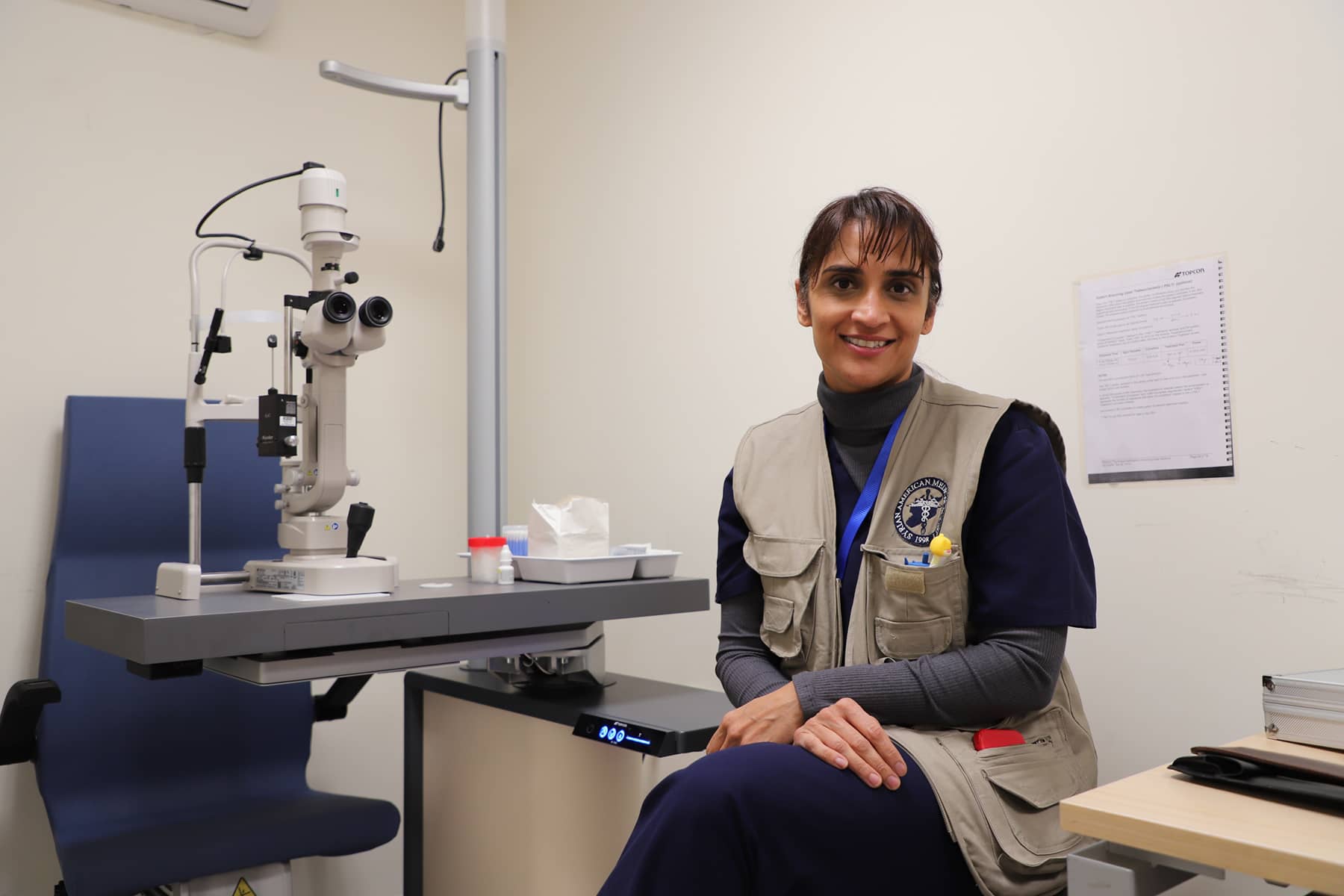
This editorial feature is one of a multi-part explanatory series about the “Dr. Majdi Omar” SAMS Jordan January 2023 Medical Mission. The journalism project embedded a Milwaukee Independent photojournalist, from January 21 to 26, 2023, with a group of Syrian American doctors from Milwaukee and Chicago. It documented their trip to Jordan and the medical work done at clinic locations like Za’atari Camp, Salt, Jerash, En Albasha and Marej in Amman, and Basma in Ma’adab. Medical Mission to Jordan: A journey from Milwaukee to help Syrian Refugees, shares the personal voices, stories, images, and conditions around those involved in the Syrian American Medical Society (SAMS) mission to Jordan. It also explores the refugee experience, and the intimate connections of local medical professionals, who put their work on hold and left their families behind for a couple weeks to provide healing to others who have endured a generation of trauma.
Series: Medical Mission to Jordan
- Medical Mission to Jordan: Traveling from Milwaukee to document the conditions of displaced Syrians
- Refugees in need: How the Syrian American Medical Society is able to provide vital medical services
- Waleed Najeeb: A spiritual duty to bring specialized relief to those suffering from a decade of war
- Za’atari Refugee Camp: Syrians struggle with a decade of life in the bubble of a temporary shelter
- Jihad Shoshara: How medical advocacy empowers Syrians living with guilt and trauma from a distance
- Deadliest in a decade: Untold numbers remain buried under rubble in Syria after devastating earthquake
- Medical Mission to Jordan: A visual diary from a week with Syrian refugees and SAMS volunteers
- Hazar Jaber: Advocating for oral health so poverty does not make sugar into a poison for children
- Bassel Atassi: Holding onto a family identity after Syria went from a home country to a ghost country
- Medical Mission to Jordan: The faces of Syrian refugees and their health struggles after years of war
- Abrar Qureshi: Finding a "Street of Happiness" among the faded ruins of hope in Za’atari
- Abdullah Chahin: Building a collective purpose to provide medical care as a Syrian in exile
- Zein Barakat: A spirit of volunteerism that nurtures an abundance of compassion, love, and humility
- Hima Humeda: A Syrian college student’s story from childhood heart surgeries to caring for war refugees
- A clarity of vision: Giving displaced Syrian children the ability to see a world full of possibilities
The 7.8 magnitude earthquake struck parts of Syria and Türkiye on February 7. It came a week after the SAMS Medical Mission ended, and while Milwaukee Independent finished the final production of this editorial series. The public is encouraged to make donations to the Syrian American Medical Society in support of their vital crisis relief work.
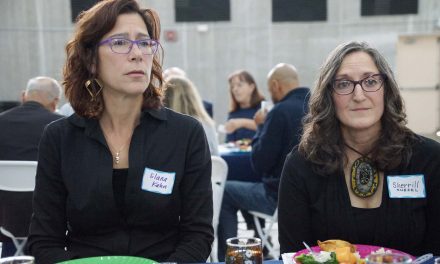
Naureen Mirza-George and Asmaa Zidan
Syrian American Medical Society (SAMS)