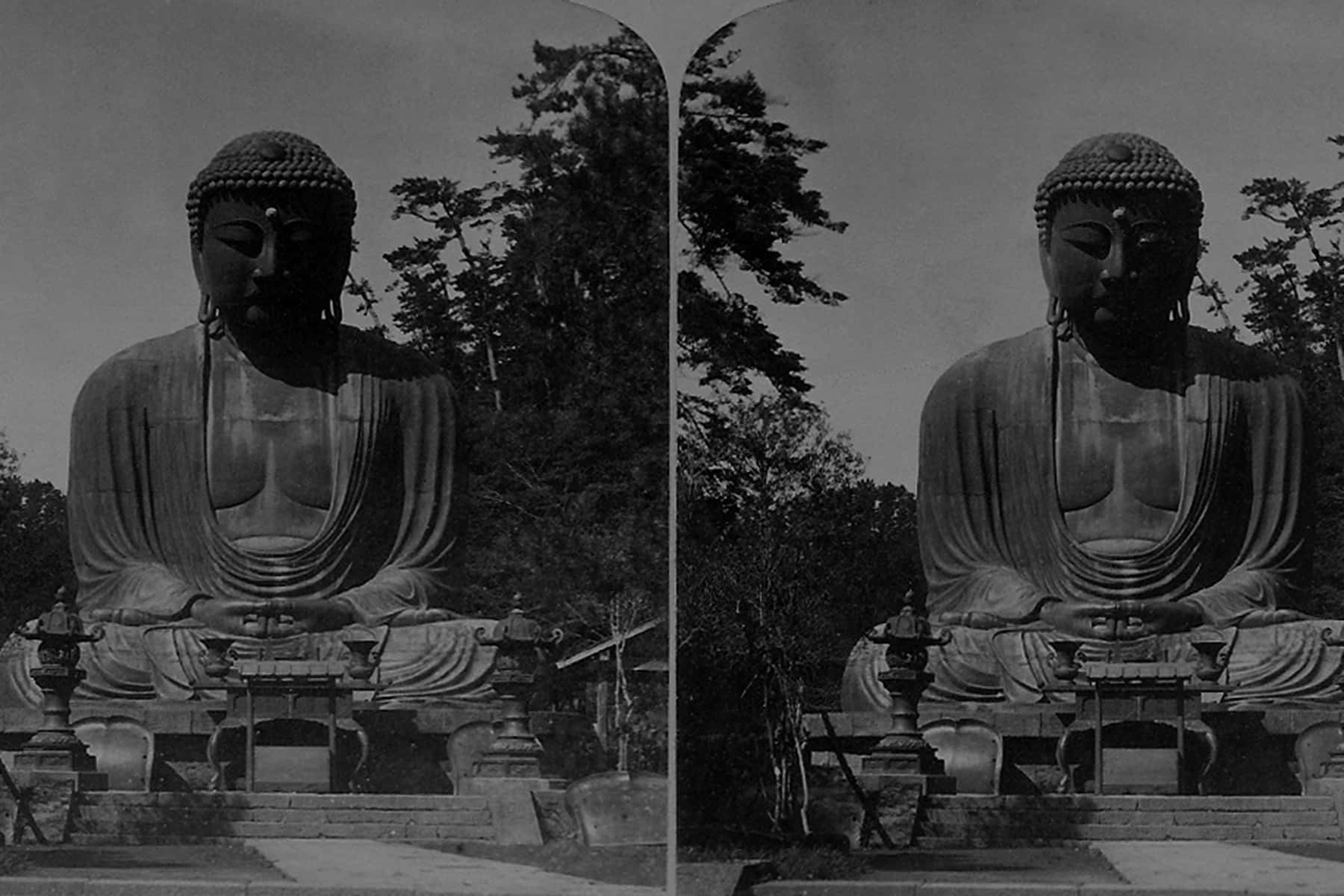
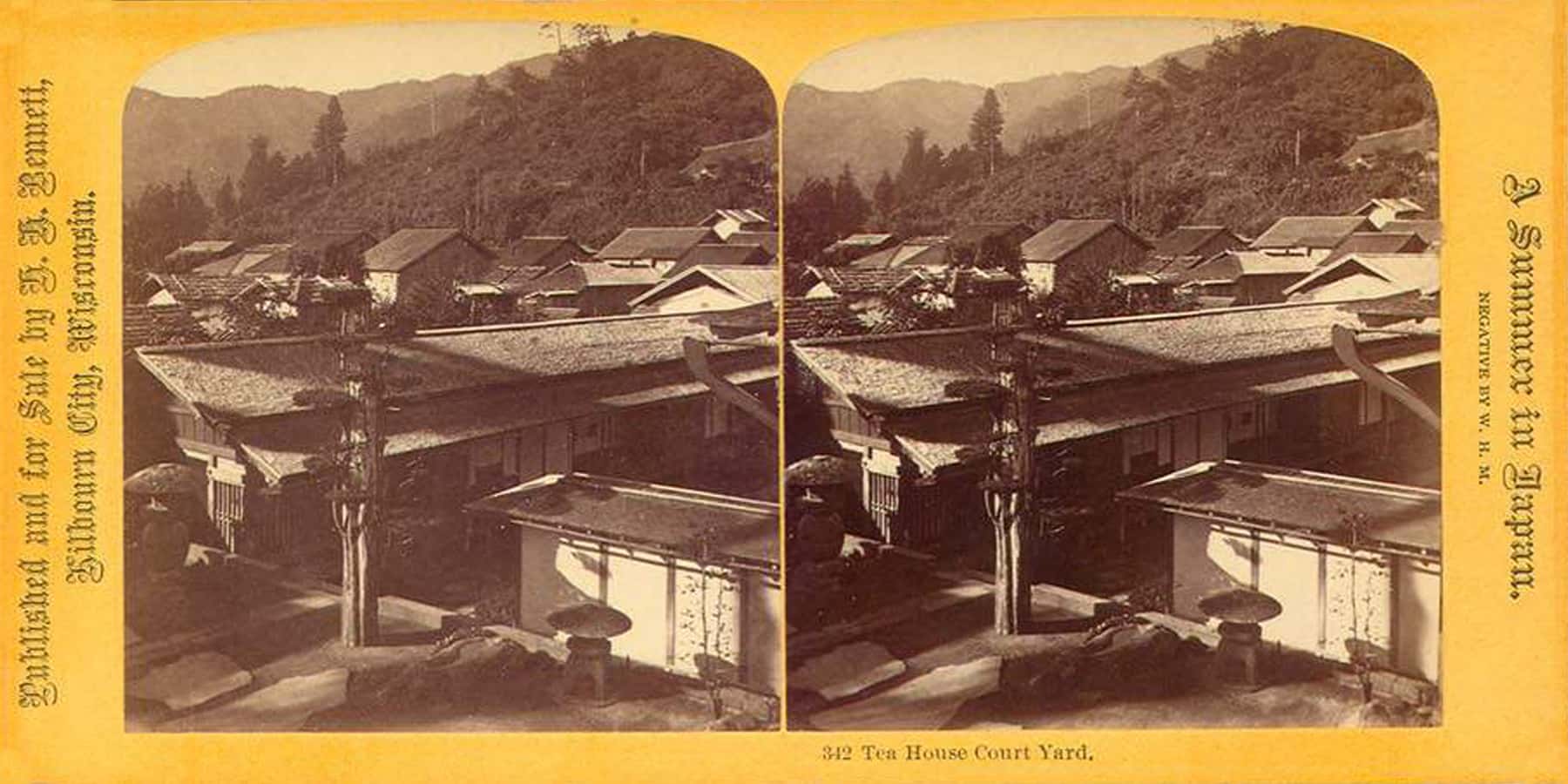
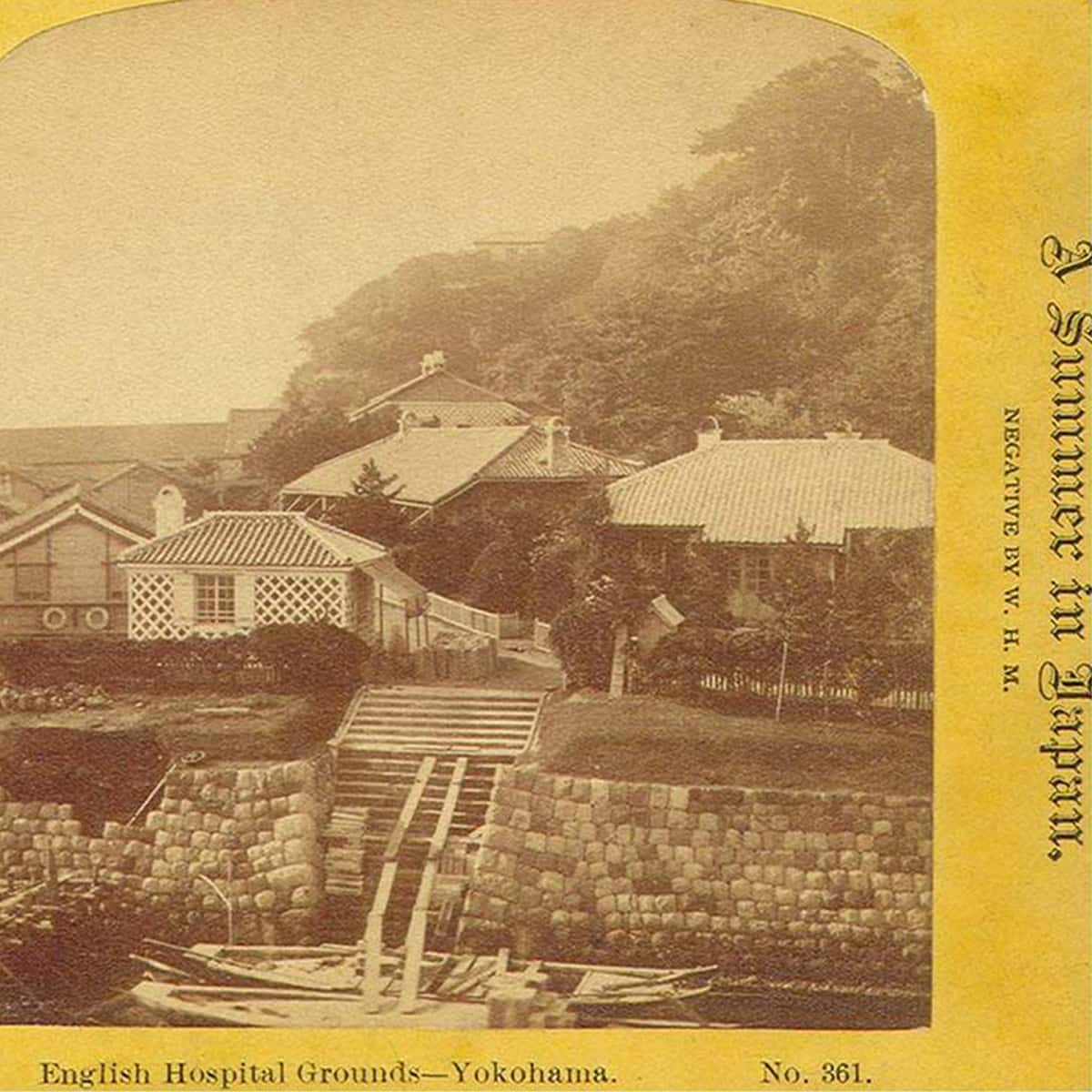
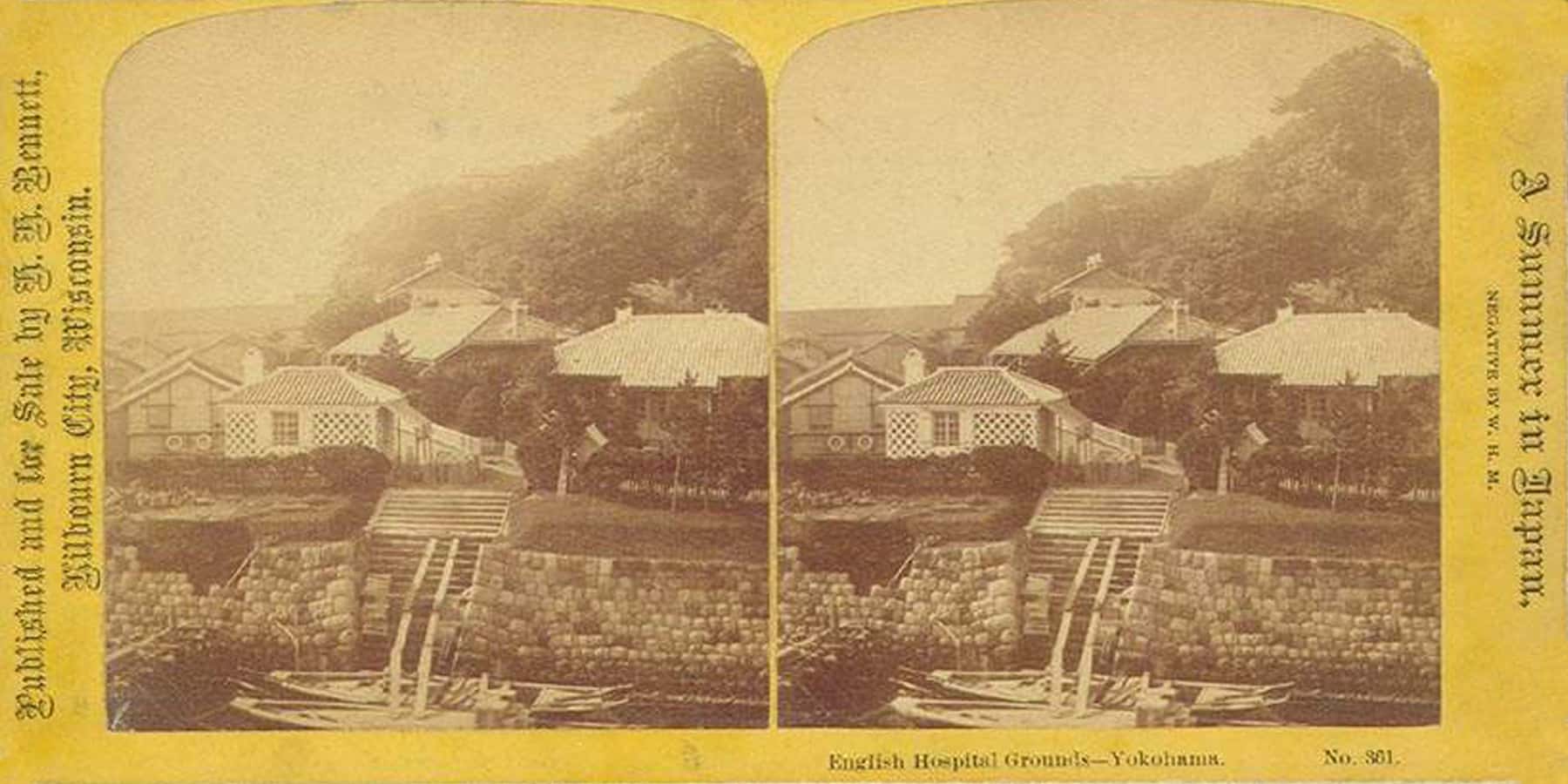
Although professional photography studios already crowded the Japanese treaty port of Yokohama by the 1870s, Milwaukee native William Henry Metcalf was one of the first amateur photographers who brought his own camera on a trans-Pacific trip to Japan.
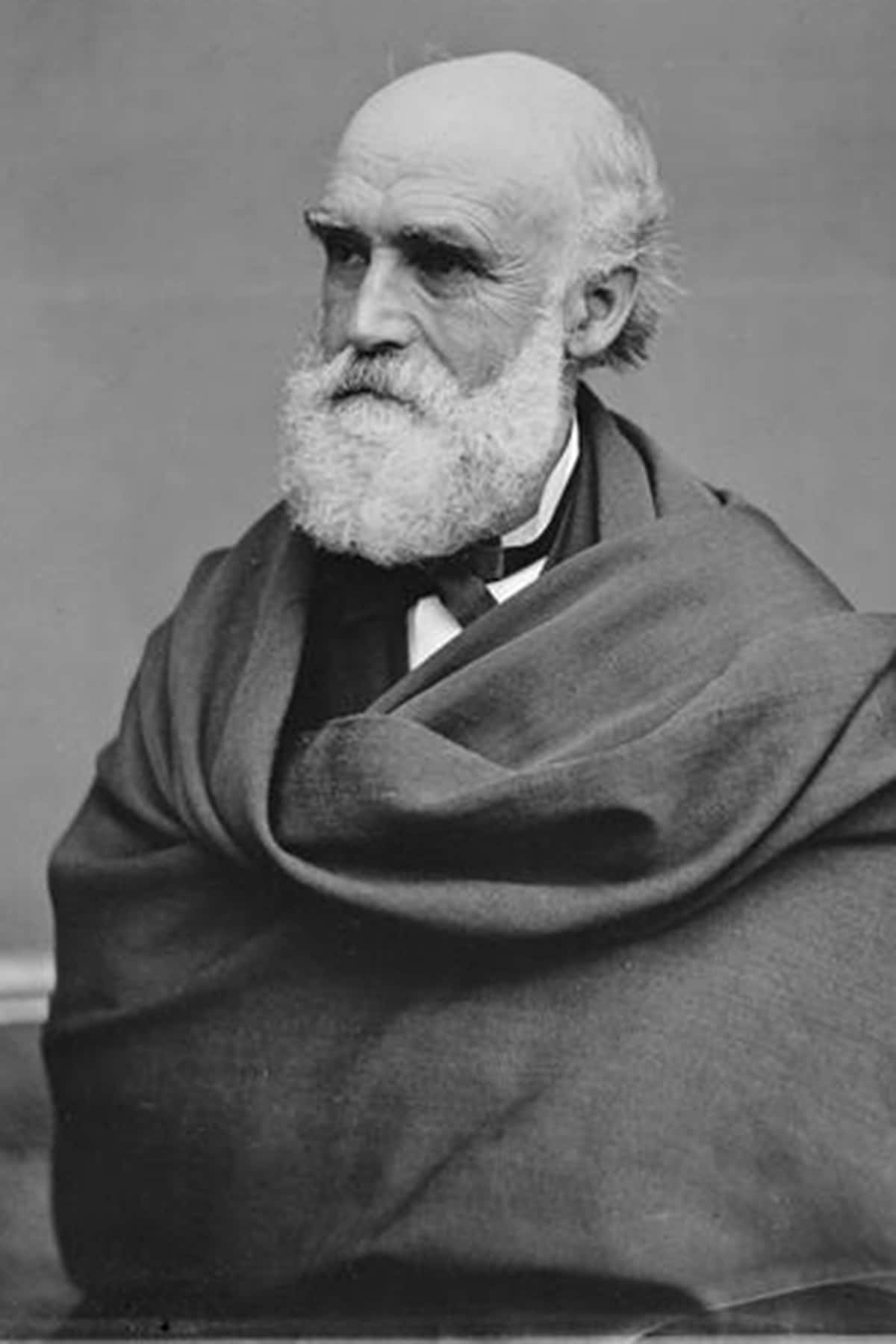
Metcalf’s views represented the earliest photographic images of Japan, stereograph or otherwise, published in the United States.
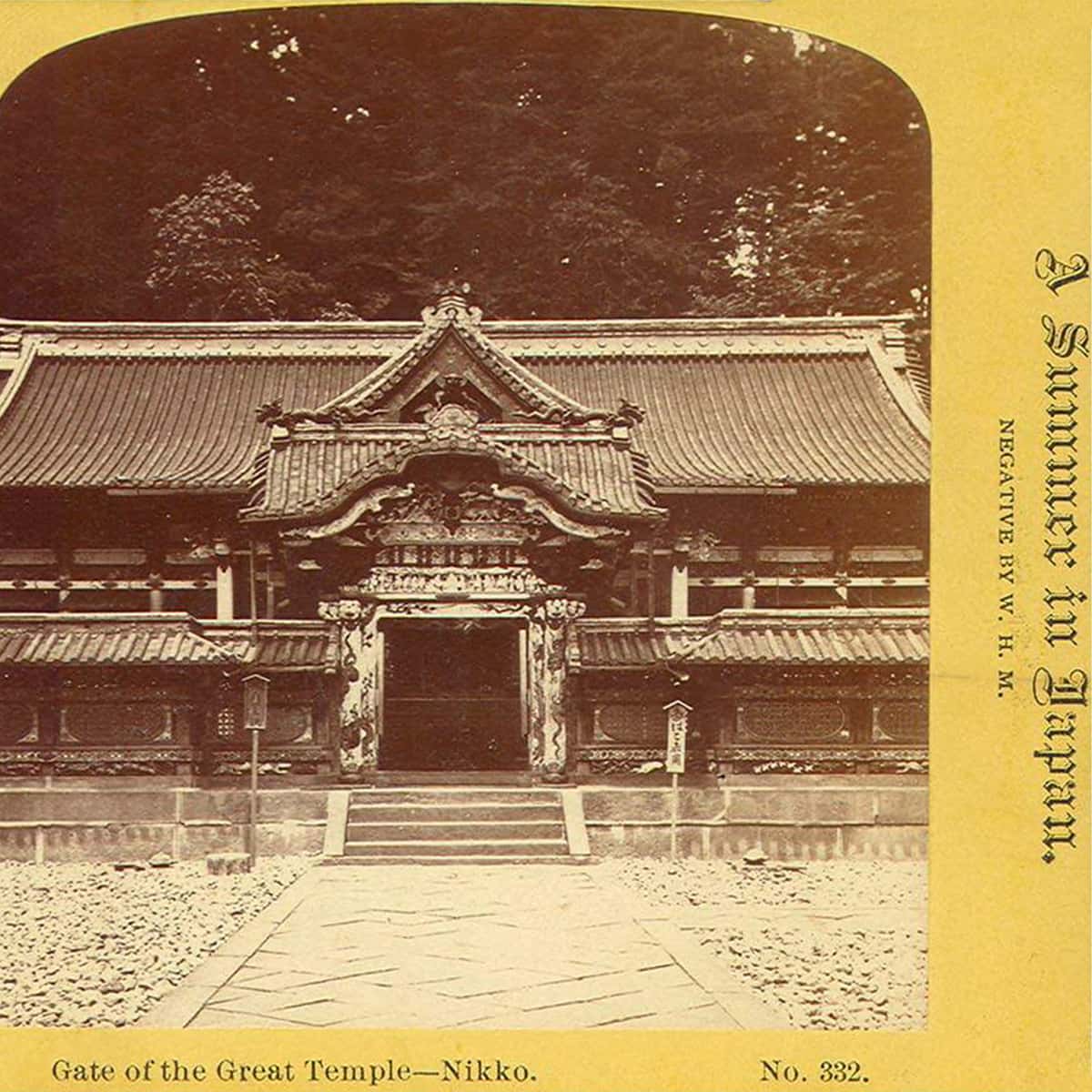
“More than a decade before portable Kodak cameras ushered in a new era of amateur photography, Metcalf commissioned his friend and fellow photographer Henry Hamilton Bennet to construct a portable travel camera, equipped with both photographic and stereoscopic lenses. He arrived in Yokohama in June 1877 with the pioneering “Japanologist” Edward Sylvester Morse. Metcalf took a four-month tour photographing the Japanese landscape. More than two dozen of his stereographic photographs were consigned for publication by Bennet under the title “A Summer in Japan.” The images were promoted to an exploding market in the United States, hungry for imagery of the exotic Orient.”
– Peter Romaskiewicz
The work established his significance as a nineteenth‐century amateur photographer and the earliest person to make extensive use of the dry‐plate process in Japan. Historically, Metcalf has received virtually no critical attention and his obscurity stands in stark contrast to the copious scholarship devoted to his travel companion.
In the early years of the 1800s, growing commerce between America and China led to American whalers entering the waters off Japan. Driven by the concept of manifest destiny, trade opportunities, and the chance to impose western civilization and the Christian religion on what was perceived to be a backward Asian nation, the 13th U.S. President, Millard Fillmore, dispatched an expedition to Japan. Commodore Matthew C. Perry and his ships first reached Japan in July 1853.
The Perry Expedition arrived during the Bakumatsu period of Japan, four months after the end of Fillmore’s term. Commodore Perry wanted to encroach on Japan by force, but the next president, Franklin Pierce, pushed him to remain diplomatic. Less than a year later, in March of 1954, Commodore Perry returned to Japan and began strict negotiations with the Tokugawa shogunate in the tiny village of Yokohama. Within a few weeks, the Convention of Kanagawa was signed which opened the ports of Shimoda and Hakodate to American ships, provided for care of shipwrecked sailors, and establishmented an American consulate in Shimoda.
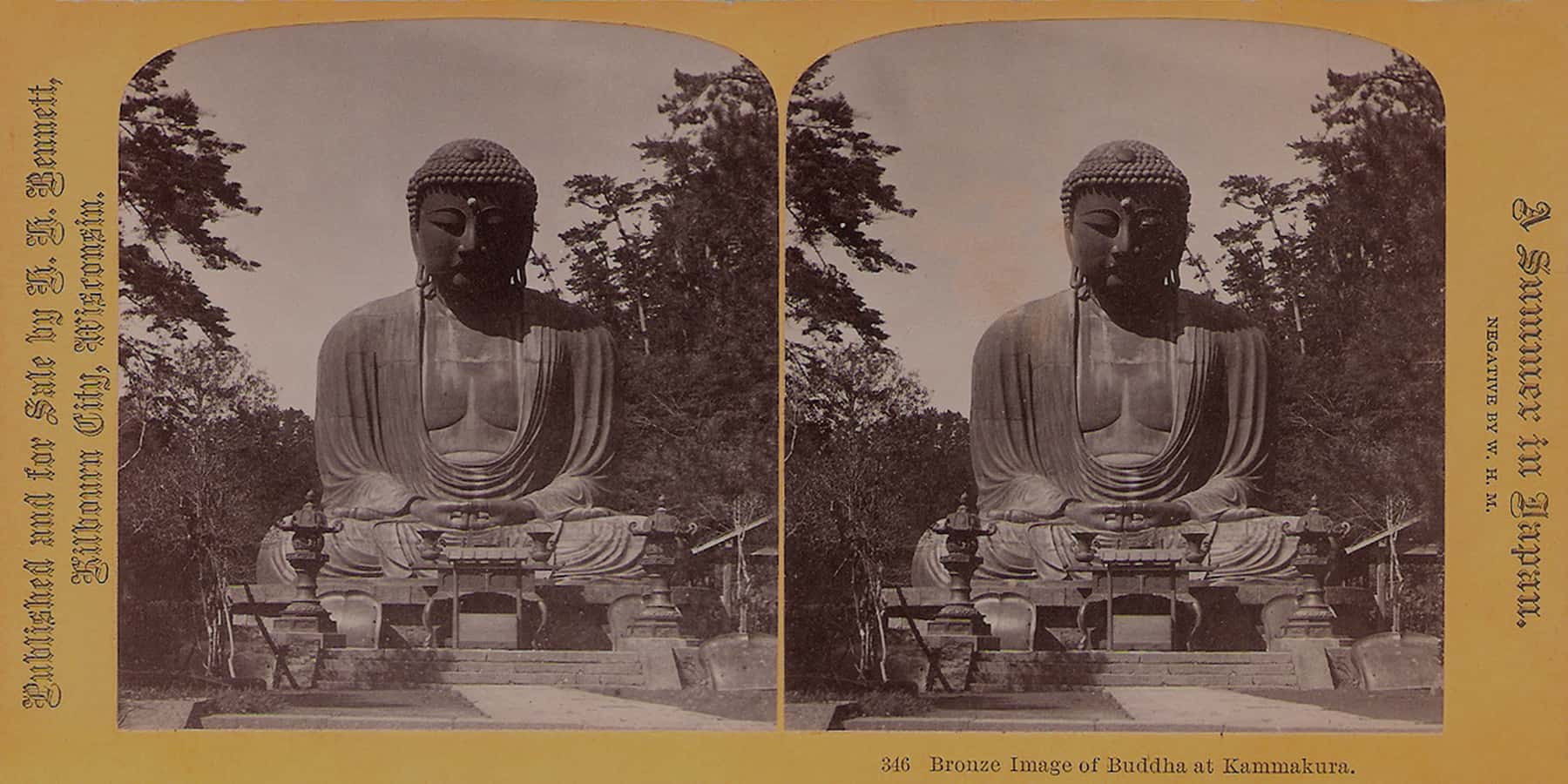
“Metcalf’s image of the Daibutsu, the Great Buddha of Kamakura, was not the first published stereoview card of the popular tourist attraction. However, it remained an early attempt at capturing the ancient bronze behemoth with the new and increasingly popular photographic technique of that day. The immense popularity of his image became a staple among the stereographic sets of Japan views issued by the larger publishers. Metcalf’s composition was uncommon among contemporary photographs of the Daibutsu because it captured the scene devoid of people, casting the visual focus on the serene countenance of the statue and its rustic setting. More typical of images taken at the time was to include people, usually children, in the shot to establish the sheer grandeur of the statue. But Metcalf left the viewer to estimate the size and dimensions of the immense bronze figure without any reference to scale. In addition, by removing the distraction of people from the scene, Metcalf was able to facilitate a more immediate encounter between the viewer and religious icon. With the simulated virtual reality of the stereoview experience, a silent space was created for the viewer to ponder the meaning of such an unfamiliar and picturesque portrait.”
– Peter Romaskiewicz
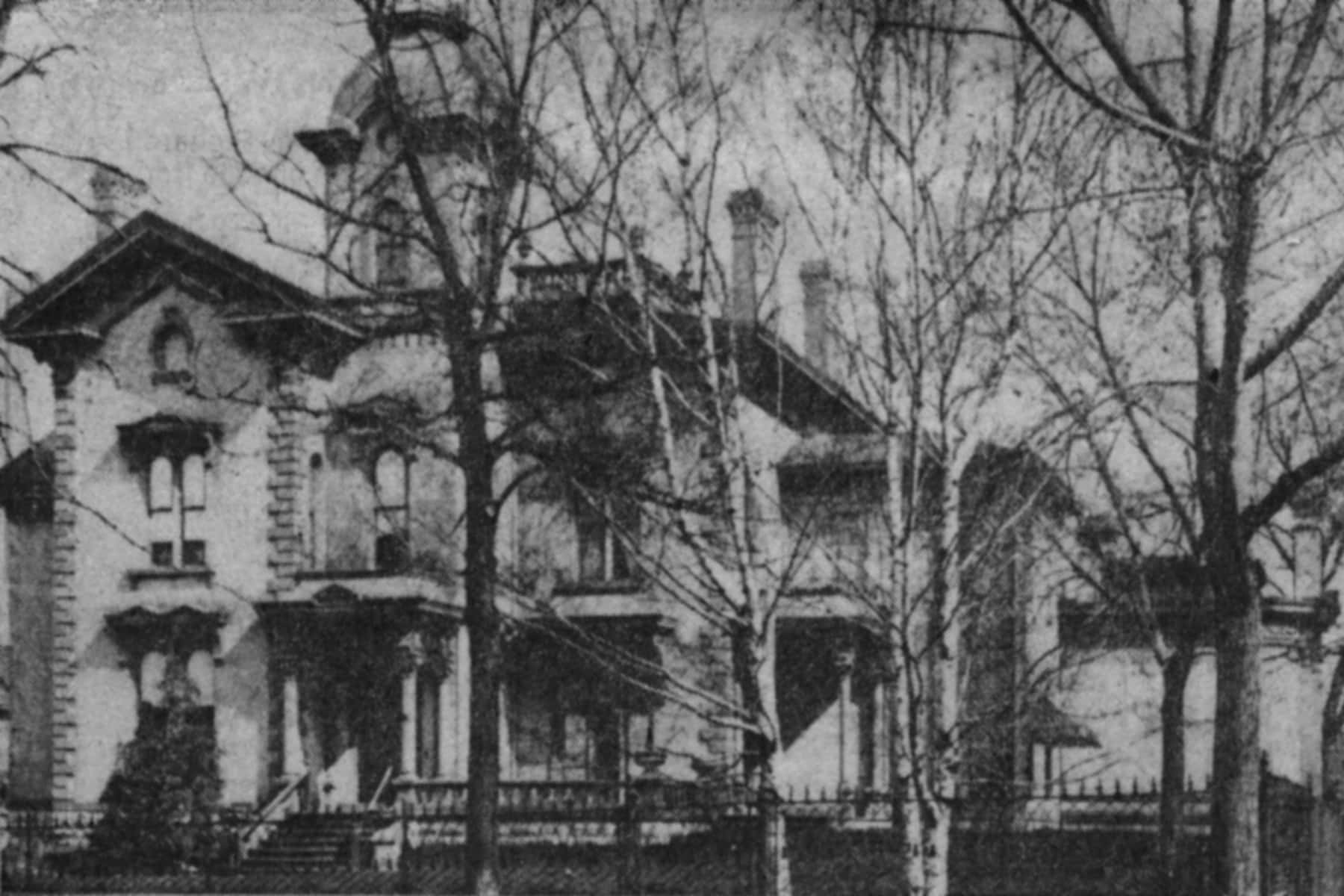
In Milwaukee, Metcalf was a wealthy art collector and a partner in a prosperous shoe manufacturer, the Bradley & Metcalf Company. The business began as a pioneer store in 1943, and expanded into a large building with 100 feet of frontage on what was then muddy Water Street. Four years later in 1847, he paid Solomon Juneau $400 for Quarter Block 73 on the northwest corner of Cass and Division Streets, later Juneau Avenue, to begin construction of his mansion.
While Metcalf was not a professional photographer, he was an avid amateur photographer and very active in the Wisconsin area. He had a long standing and very close association with H.H. Bennett. He learned his photographic skills from Bennett and sometimes accompanied Bennett on photographic expeditions. Metcalf also provided Bennett with the financial support to build his studio which was completed in 1875.
Images from the ”Summer in Japan” stereoview series are the best known photographs taken by Metcalf. They went on to capture the imagination of generations of Americans who knew nothing about Japan or Asian countries.
Metcalf’s 1854 mansion still stands at 1219 N. Cass Street, on the corner of Cass Street and Juneau Avenue. The attached art gallery was destroyed and the main structure pushed north to accommodate the construction of the Summerfield Methodist Church in 1904.
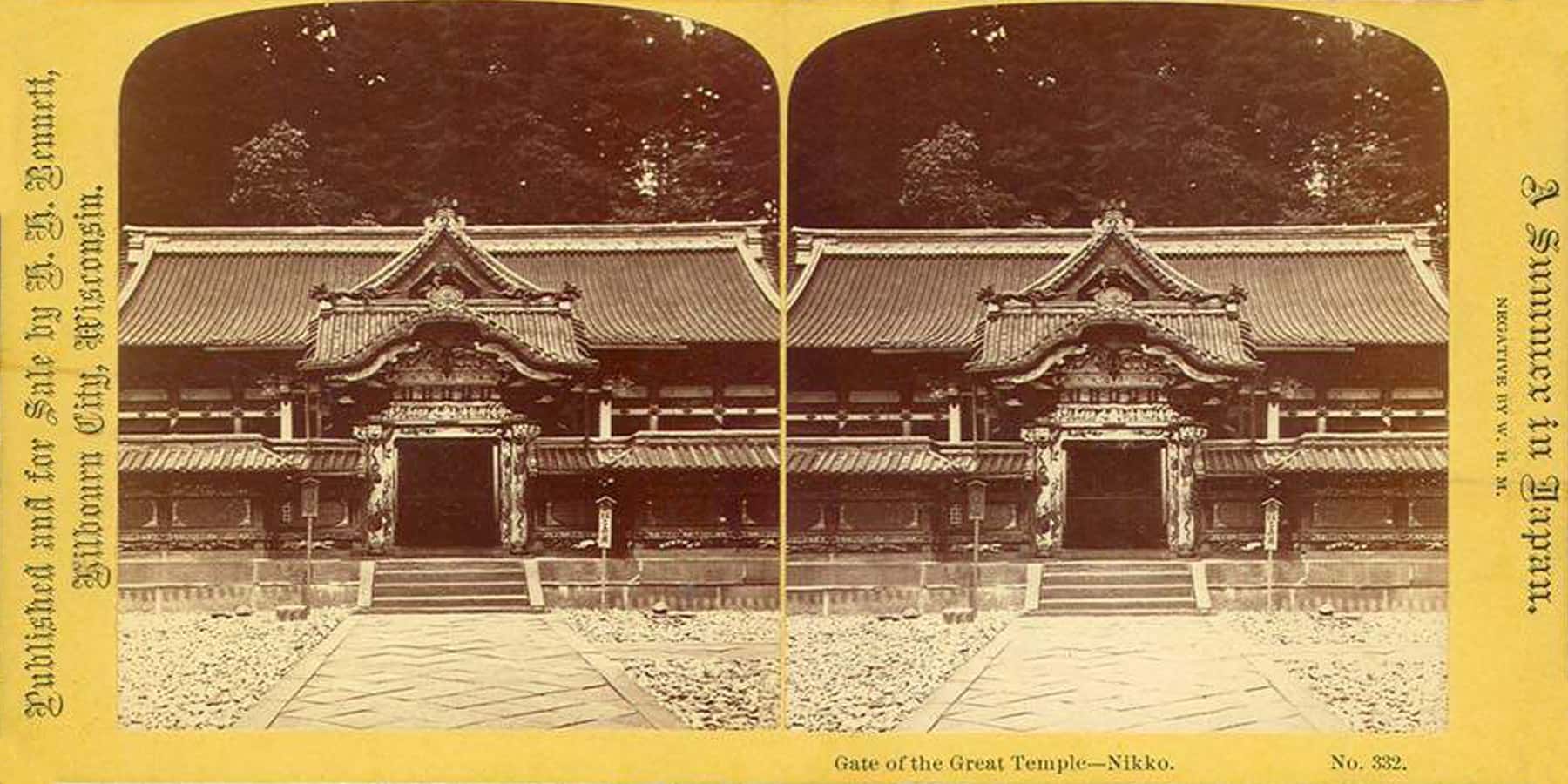
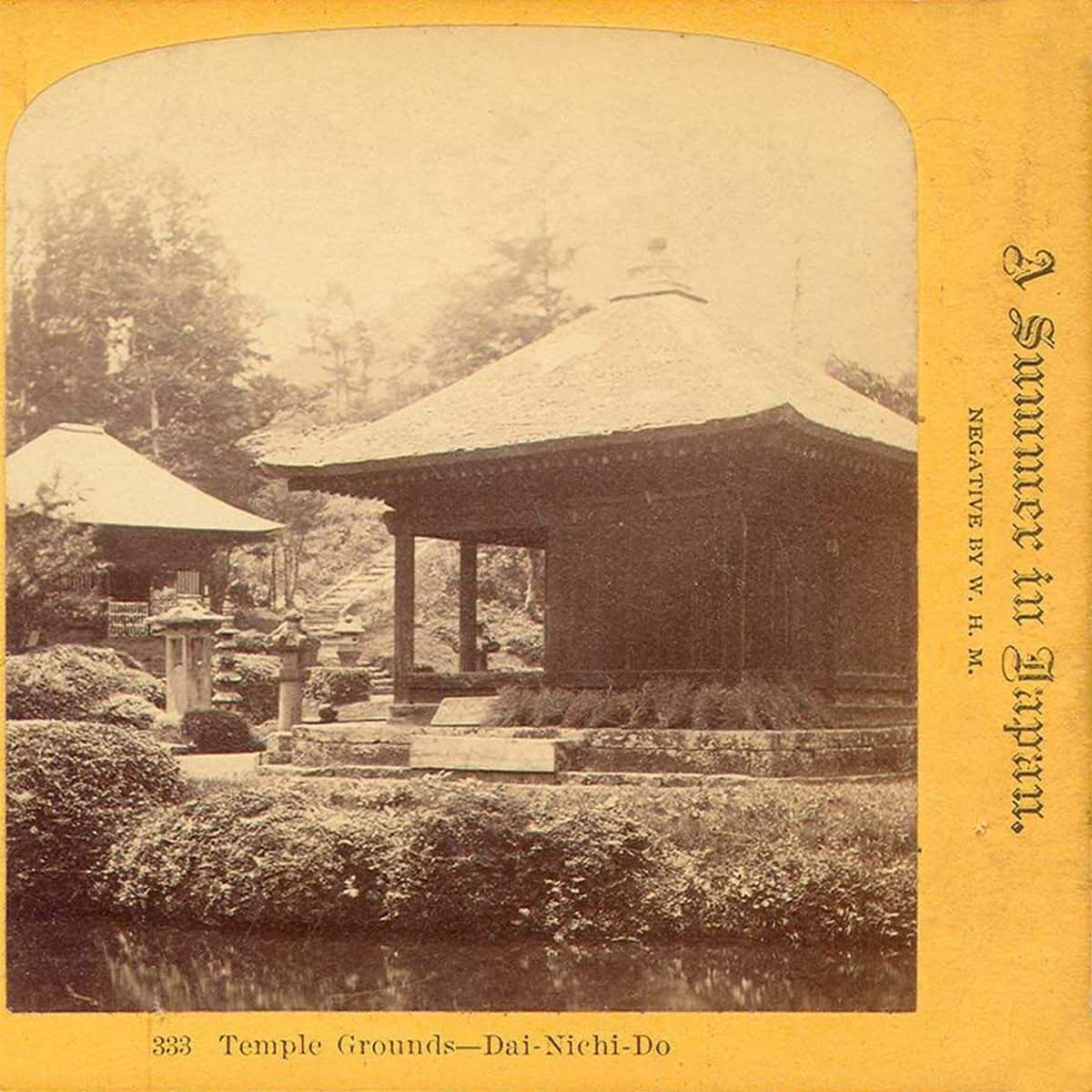
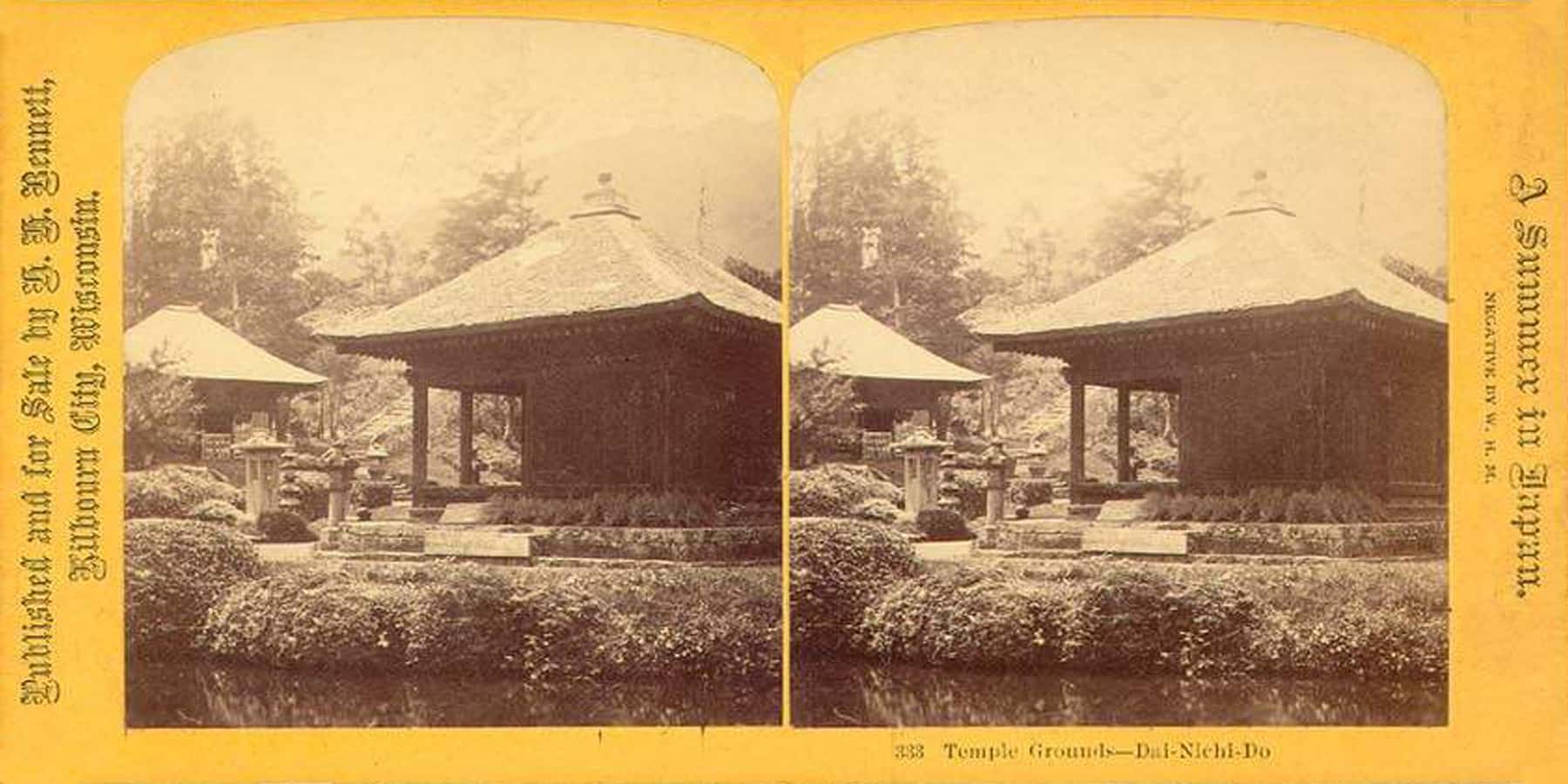
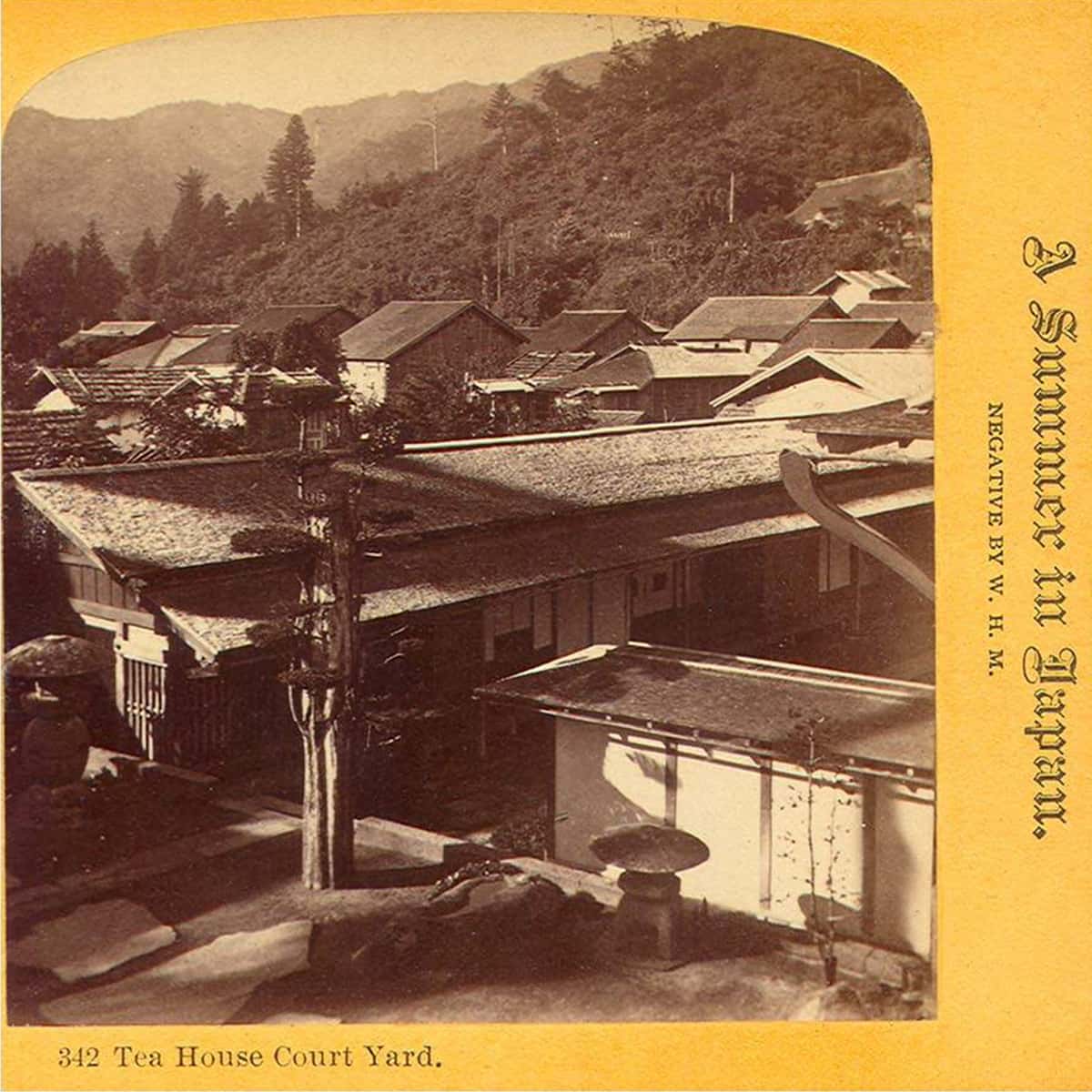
- Milwaukee County Historical Society (MCHS)
- William H. Metcalf images from the collections of George C. Baxley and Peter Romaskiewicz
Portions of this article were originally written by Peter Romaskiewicz and published as Metcalf & Bennet’s “A Summer In Japan”