Remembering the legacy of Summerfield United Methodist Church as a sanctuary of conscience
For more than 170 years, the congregation of Summerfield United Methodist Church served as a moral anchor on Milwaukee’s east side. Founded in 1852 by abolitionists, it was sustained through eras of reform and remembered as the birthplace of Goodwill Industries. Since...

Milwaukee hosts U.S. premiere of film documenting Russia’s brutal war on education in occupied Ukraine
The North American premiere of “War on Education,” the acclaimed documentary about Ukraine by filmmaker Stefano Di Pietro, arrived in Milwaukee on June 1 with a message of urgency and a quiet sense of warning. The film investigated how Russia’s brutal 2022...
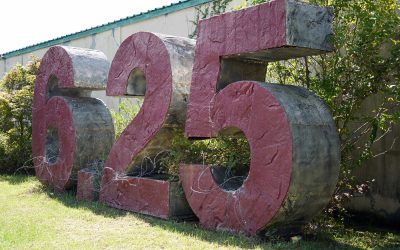
Waiting for Peace: South Korea marks 75 years since North Korea began a war that has never ended
When the Korean War began on June 25, 1950, it was understood to be the first major armed conflict of the Cold War era. Seventy-five years later, the armistice that halted the fighting still defines one of the world’s most fragile geopolitical fault lines. The war,...
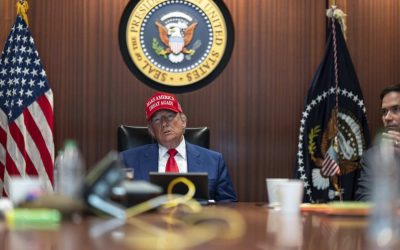
Trump abandons promise to avoid war by inserting U.S. into Netanyahu’s undeclared war with Iran
Donald Trump expressed certainty that his big gamble to directly assist the Israelis delivered a knockout blow to Iran’s nuclear program, even as many supporters and detractors alike were warning that U.S. military action could draw the United States into an...
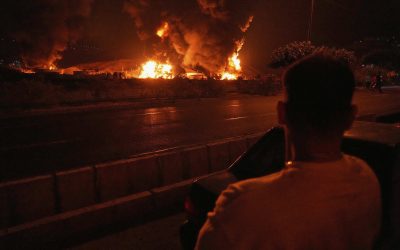
Trump outsmarted by Netanyahu over Iran as U.S. stumbles closer to another Middle East war
Donald Trump’s calls for Iran to surrender “unconditionally” have drawn sharp warnings from Tehran and stirred growing fears of deeper U.S. military involvement, as Israeli warplanes continue to bombard Iran without a formal declaration of war. Despite a U.S....
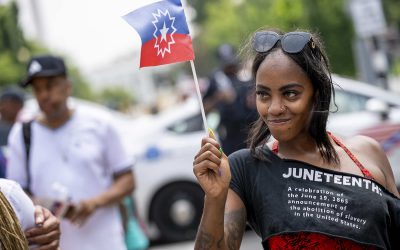
A guide to understanding what Juneteenth is and how to celebrate the 160-year-old national holiday
It was 160 years ago that enslaved people in Galveston, Texas, learned they had been freed, after the Civil War’s end and two years after President Abraham Lincoln’s Emancipation Proclamation. The resulting Juneteenth holiday — its name combining...
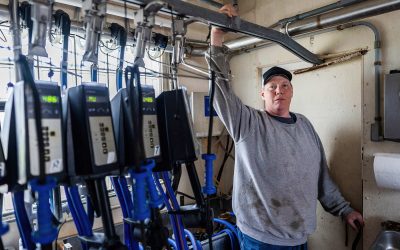
Wisconsin dairy farmer files lawsuit claiming Trump is failing to stop discrimination against White farmers
A Wisconsin dairy farmer alleged in a federal lawsuit filed on June 16 that the Trump administration is illegally denying financial assistance to White farmers by continuing programs that favor minorities. The conservative Wisconsin Institute for Law and Liberty filed...
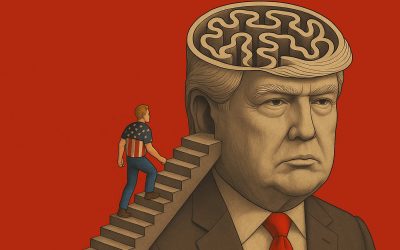
When a cult goes mainstream: Inside the toxic psychological engine of Trump’s MAGA movement
With Donald Trump’s return to the White House in 2025, his political base has emerged as one of the most studied and polarizing forces in American political history. Hardened through years of social upheaval, conspiracy rhetoric, and loyalty tests, the voting...
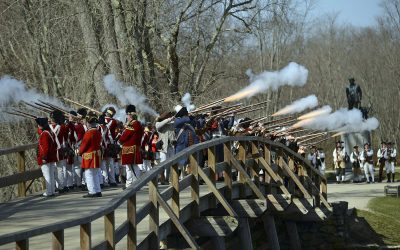
A divided nation still battles over the legacy of independence 250 years after the American Revolution
Thousands of people came to this Massachusetts town on April 19 just before dawn to witness the beginnings of the American Revolution. Amid a hail of gunfire, they watched as British soldiers confronted an overmatched group of Lexington Minute Men on Lexington Battle...
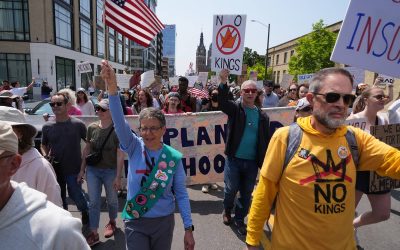
“No Kings” protest draws massive Milwaukee turnout in defiance of Trump’s military spectacle
Thousands of demonstrators packed Cathedral Square Park in Milwaukee on June 14 in a powerful display against Donald Trump and his military-themed birthday celebration in Washington DC. The protest, part of the nationwide “No Kings” movement, was one of the largest in Wisconsin.
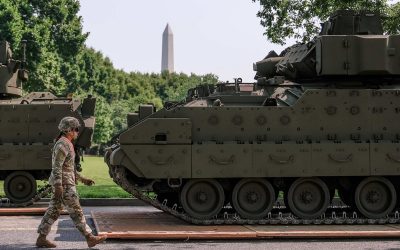
How the military spectacle marking U.S. Army’s 250th birthday will unfold under Trump’s imperial gaze
The tanks are staged and ready to roll. Barriers are up. Protective metal plating has been laid out on Washington’s streets. And more than 6,000 troops are poised to march near the National Mall to honor the Army’s 250th anniversary on June 14, which...

Outrage after Senator Padilla tackled for opposing Noem’s coup threat against elected California leaders
“If this is how they respond to a senator with a question, imagine what they’re doing across the country … you can only imagine what they’re doing to farm workers, to cooks, to day laborers, throughout the L.A. community and throughout California and...