Author: Noria Doyle

Violación de la Primera Enmienda: las políticas migratorias de EE. UU. son vistas como un ataque de Trump a la identidad católica

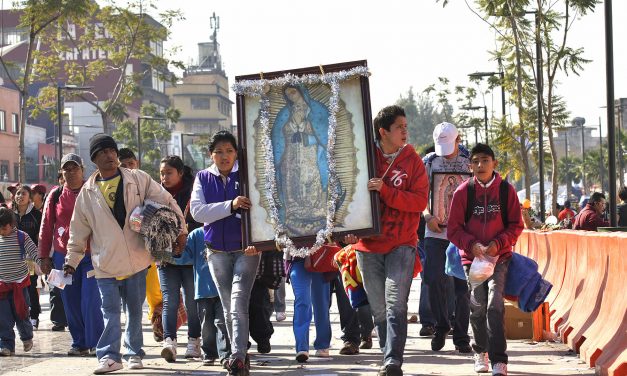
En una colina del barrio Tepeyac, en el norte de la Ciudad de México, se alza la Basílica de Nuestra Señora de Guadalupe, uno de los símbolos religiosos y culturales más poderosos del hemisferio occidental. Cada 12 de diciembre, millones de peregrinos inundan el extenso complejo; algunos caminan durante días, otros llegan de rodillas, todos con el propósito de honrar a la Virgen de Guadalupe, una aparición indígena de María que ha definido el catolicismo mexicano durante casi 500 años. Las cifras son asombrosas: hasta 20 millones de personas visitan la basílica cada año, con hasta 5 millones llegando...

Read More
Hijacking the national memory: What a fixation with Mount Rushmore reveals about seizing power by myth

This AI-generated image is a photorealistic editorial illustration and not an actual photograph. It was created to support a journalistic commentary as a political cartoon. The face Donald Trump most wants carved into stone is his own. That is not political commentary, it is the visible core of a pattern that blends psychological compulsion, political ambition, and systemic destabilization. Trump’s repeatedly stated desire to have his likeness added to Mount Rushmore is more than an idle boast. It is a symbol of a deeper drive: to project himself into the pantheon of American greatness by force of will, not...

Read More

Why the unchecked power and tactics of ICE under Trump have earned comparisons to secret police

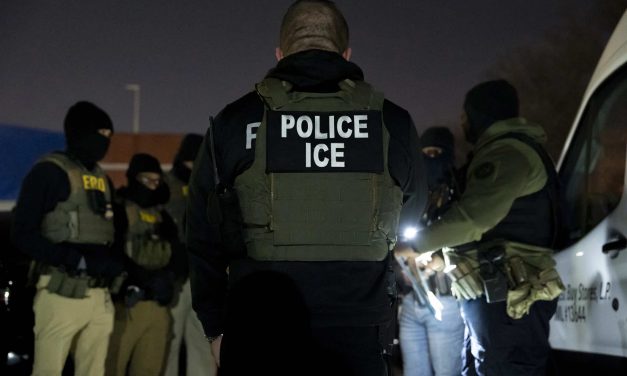
U.S. Immigration and Customs Enforcement (ICE) is not a secret police force, not yet. But recent actions taken by ICE under Donald Trump’s regime raise urgent and unavoidable parallels. In just the span of two weeks, ICE unlawfully deported a Maryland father with legal protection from removal and detained a Turkish Fulbright scholar without due process. Both actions undermine judicial authority, sidestep legal protections, and expose the agency’s increasing willingness to act as an unaccountable enforcement arm of the executive. The Gestapo, the official secret police of Nazi Germany, did not begin as an omnipotent terror machine. It evolved...

Read More

First Amendment violation: U.S. immigration policies are seen as Trump’s attack on Catholic identity

On a hill in the Tepeyac neighborhood of northern Mexico City, the Basilica of Our Lady of Guadalupe stands as one of the most powerful religious and cultural symbols in the Western Hemisphere. Every December 12, millions of pilgrims flood the sprawling complex, some walking for days, others arriving on their knees, all to honor the Virgin of Guadalupe — an Indigenous apparition of Mary that has defined Mexican Catholicism for nearly 500 years. The numbers are staggering, up to 20 million people visit the basilica each year, with as many as 5 million arriving during a single week...

Read More

America’s “Mirror, Mirror” Moment: How one classic “Star Trek” episode reflects our chosen reality

When “Star Trek: The Original Series” first aired in the late 1960s, it offered American viewers not just a glimpse of futuristic star travel but also a reflection of contemporary social tensions. Few episodes crystallized those parallels more powerfully than the episode “Mirror, Mirror,” which was originally broadcast on October 6, 1967. In it, a transporter malfunction sends Captain Kirk, Dr. McCoy, Scotty, and Uhura into a brutal parallel universe, where the crew of the Imperial Starship Enterprise operates by tyranny and fear instead of diplomacy and trust. Today, in the America poisoned by the brutal corruption of President...

Read More

Urban-Rural Divide: How Milwaukee’s role as the economic engine of Wisconsin fuels resentment

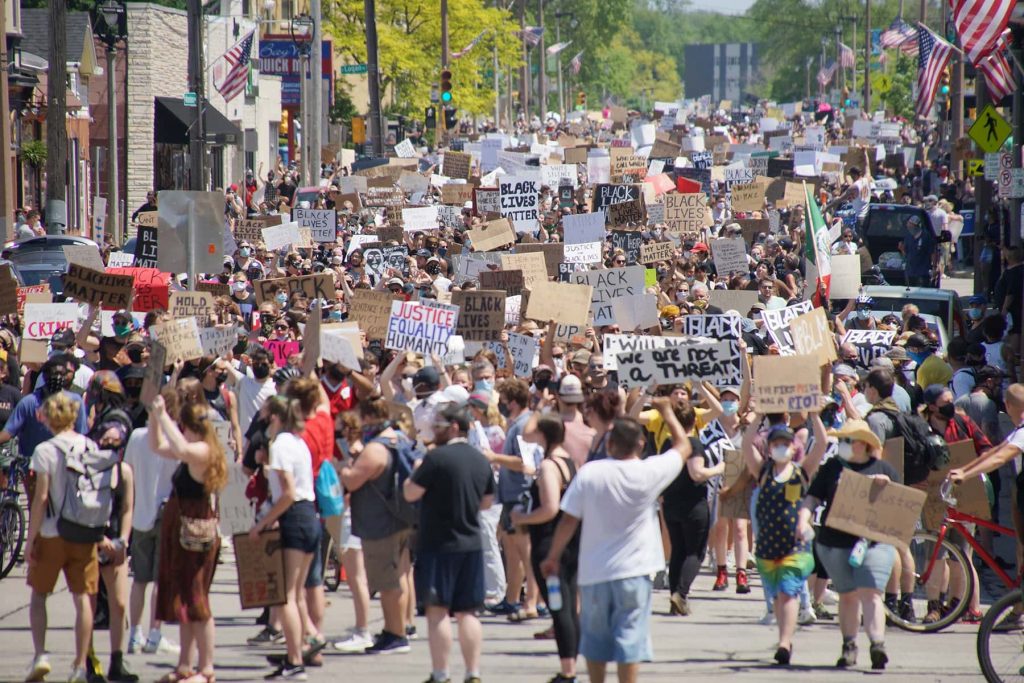
Milwaukee, the largest city in Wisconsin, has long served as a lightning rod for political battles in the state Capitol. From heated debates over crime rates to disputes about tax revenues and resource allocation, the city often becomes the scapegoat for a wide range of problems that state leaders attribute to urban mismanagement. Meanwhile, policymakers from rural areas campaign on promises to rein in Milwaukee’s influence, painting the city as a hotbed of dysfunction that drains resources from other parts of the state. This approach has stoked a growing sense of division between urban and rural constituencies, even though...

Read More